Is Mount Batur Hard for Beginners 6 Honest Facts Before You Go
Mount Batur is often recommended as a beginner Bali hike, but “beginner-friendly” does not mean flat, effortless, or suitable for every traveler.
The Mount Batur trekking difficulty comes from a continuous uphill trail, uneven volcanic ground, darkness during the first section, and an early departure that can affect your energy. Many first-time trekkers with reasonable fitness complete the route with a steady pace, suitable footwear, short breaks, and support from a local guide.
However, every person experiences the trek differently. Your fitness, sleep, footwear, weather, trail conditions, and personal physical condition all influence how difficult the morning feels.
These six honest facts will help you decide whether Mount Batur for beginners is the right experience for you.
1. The Trail Goes Uphill for Most of the Ascent
The most important thing to understand is that Mount Batur is still a mountain trek.
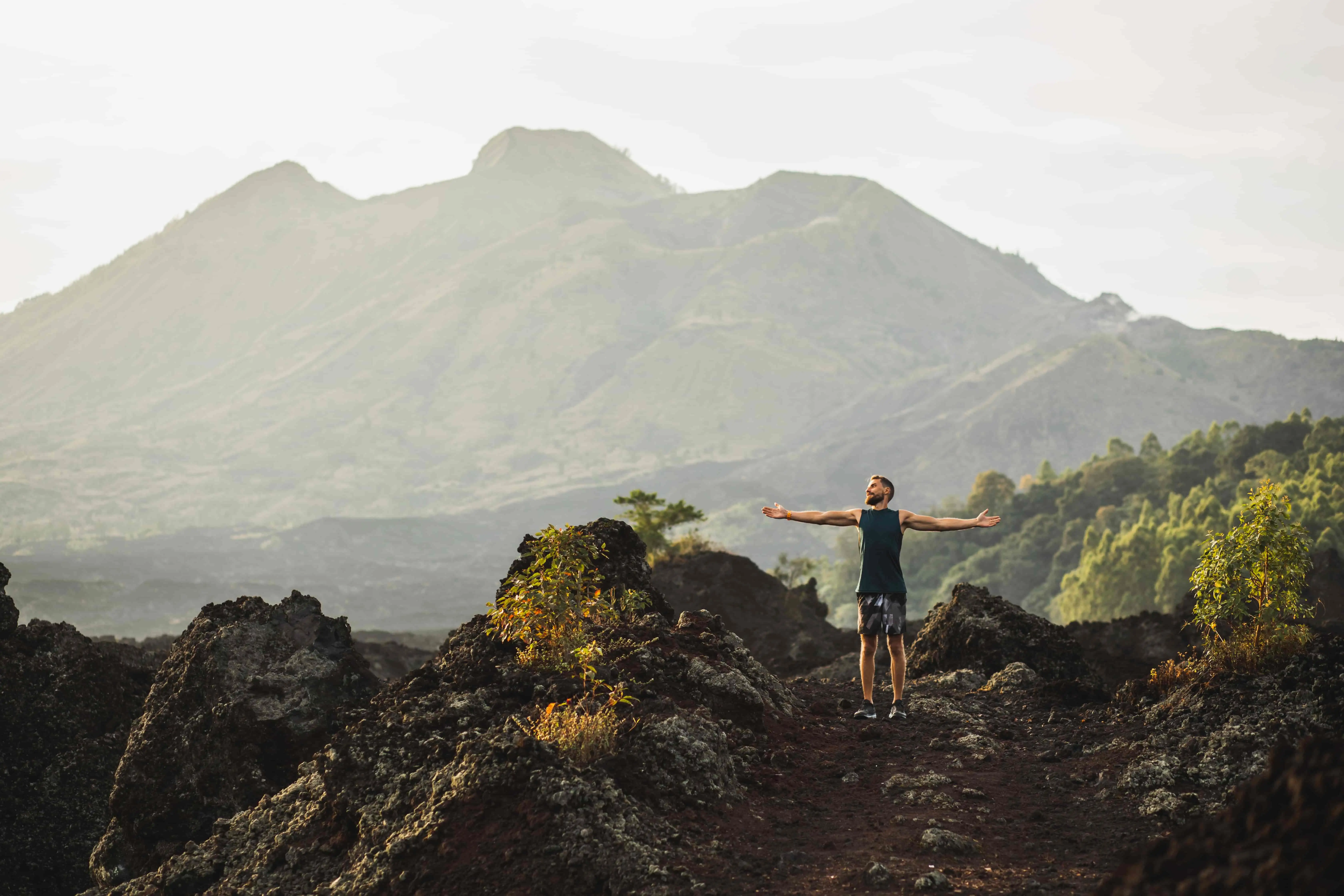
The route is not a flat walk with one short climbing section. Much of the ascent involves continuous uphill movement over volcanic terrain.
Some parts of the Mount Batur trail may feel gradual. Other sections can feel steeper, especially when your legs begin to tire.
The ground may include:
- Compacted dirt
- Loose volcanic gravel
- Rocky sections
- Dusty surfaces
- Uneven steps
- Slippery areas after rain
The difficulty can change depending on current weather and trail conditions. A dry trail may feel loose and dusty, while rain may make some areas more slippery.
For beginners, the incline often feels manageable at the start because everyone begins with fresh energy. The challenge becomes more noticeable after walking uphill for a longer period.
This does not mean you need advanced mountaineering experience. The route is completed by many first-time trekkers. However, it does require more effort than a normal city walk or casual sightseeing tour.
If you regularly walk, use stairs, exercise occasionally, or enjoy active travel, you may find the trek more manageable. If you rarely walk uphill, the continuous incline may feel more demanding.
Do not choose the trek only because someone else described it as easy. Consider how your own body responds to sustained uphill activity.
2. The First Part of the Trek Happens in Darkness
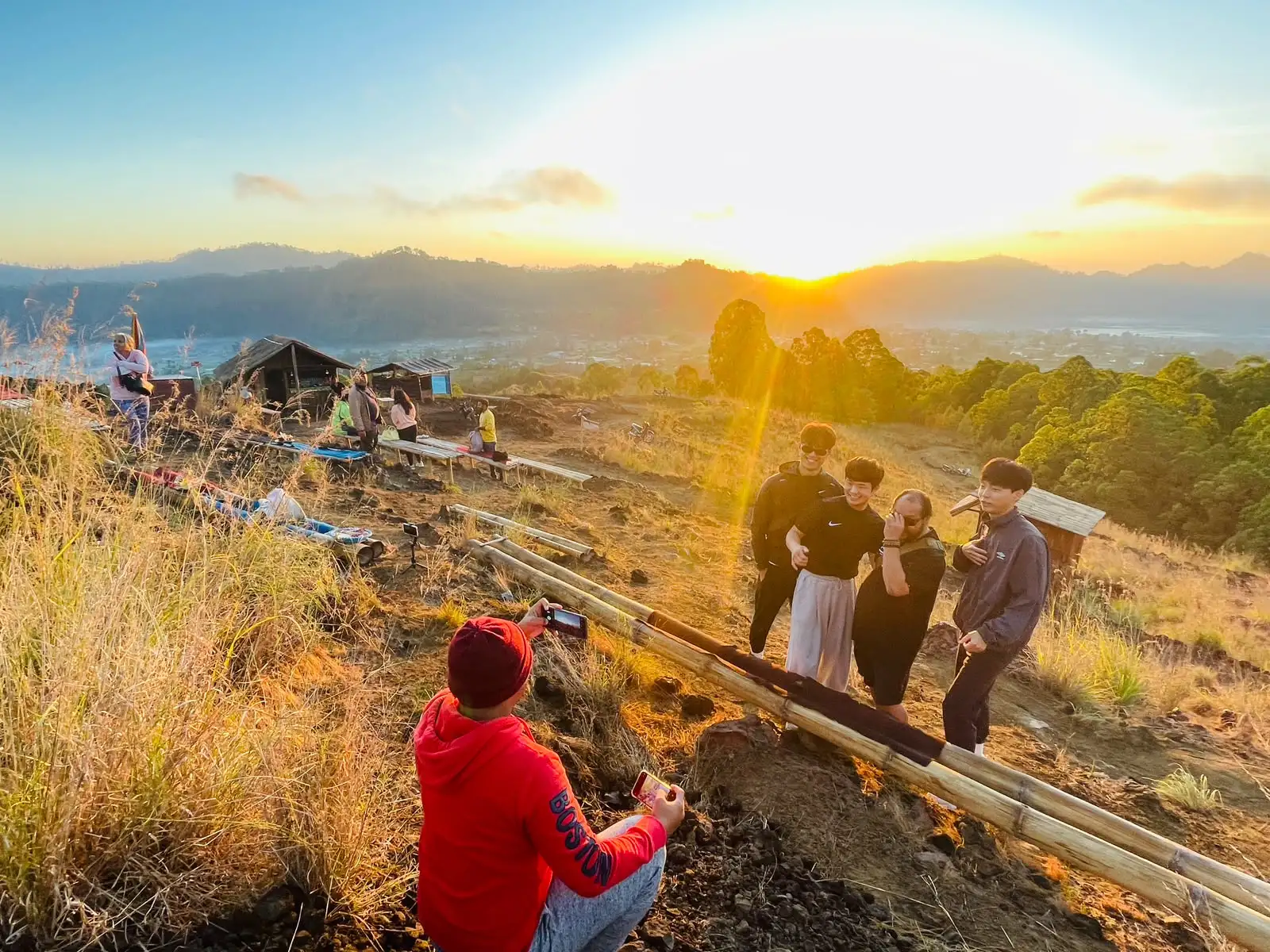
A Mount Batur sunrise trek normally begins before daylight.
The current itinerary generally places the trekking start at approximately 4:00 AM, although exact timing may change according to the package, hotel location, traffic, group pace, and operating conditions.
During the first section, trekkers usually walk with flashlights. You may only see the trail immediately in front of your feet, the lights of other groups, and parts of the surrounding terrain.
For some beginners, darkness makes the trail feel more difficult than it would during the day.
You cannot always see how long the next uphill section is. You need to pay closer attention to where you place your feet. The darkness may also feel unfamiliar if you have never joined an early-morning hike.
This is one reason a sunrise trekking guide is important.
A local guide helps lead the route, identify suitable sections of the trail, manage the group’s movement, and provide practical instructions before daylight.
Guests should remain with the guide and avoid choosing a different route independently.
Wearing suitable shoes also becomes more important in darkness. Good grip and stable footing can help you feel more confident when the surface is uneven.
The trail becomes easier to see as the sky begins to brighten. However, you should be prepared for the early section to feel quiet, dark, and more focused than a normal daytime walk.
3. Your Pace Matters More Than Walking Fast
Many beginners make the same mistake at the start.
They walk too quickly because they feel excited, want to keep up with another group, or worry about reaching the upper area before sunrise.
A fast beginning can make the second half of the climb feel much harder.
The better approach is to choose a steady pace that you can maintain.
Your guide may help manage the group’s speed, but you should communicate honestly about how you feel. Tell the guide when you need a short break or when the pace feels too fast.
There is no benefit in pretending you are comfortable when you are struggling to breathe or losing control of your footing.
The trek is not a race.
Your pace may depend on:
- General hiking fitness
- Leg strength
- Breathing rhythm
- Sleep before the tour
- Trail conditions
- Temperature
- Group size
- How frequently you stop
- Personal confidence in darkness
Try not to compare your pace with people from another group. Someone who hikes regularly may move very differently from someone completing their first mountain trek.
A slower, controlled pace can help you save energy for the steeper sections and the descent.
Reaching the upper area at your own manageable pace is more important than overtaking other trekkers.
4. Rest Stops Are Normal but They Do Not Remove the Climb
Short rest stops are a normal part of the Mount Batur trekking experience.
They give you time to slow your breathing, drink water, adjust clothing, and prepare for the next section.
A local guide may choose appropriate places to pause based on the group, trail, timing, and conditions. The number and length of stops can differ between groups.
However, beginners should not assume that rest stops make the trek effortless.
You still need to continue walking uphill after each break. Very long or frequent stops may also make your muscles feel cooler and affect the group’s timing.
During a break:
- Drink small amounts of water
- Adjust your jacket if needed
- Avoid sitting in unsafe areas
- Listen to the guide’s instructions
- Tell the guide how you feel
- Keep the trail clear for other groups
A light jacket is useful because your body may feel warm while walking and cooler when you stop.
The early-morning temperature can feel lower than conditions around Bali’s beaches and hotels. Wind and changing Mount Batur weather may make resting areas feel colder.
Resting is not a sign that you are failing. It is part of managing your energy.
The goal is to use breaks wisely, not wait until you are completely exhausted before telling the guide you need one.
5. Footwear Can Change How Difficult the Trek Feels
Your shoes will not remove the incline, but they can make the Mount Batur trail easier to manage.
Supportive trekking shoes or sports shoes with suitable grip are generally a better choice than smooth sandals, open footwear, or shoes designed only for casual city use.
Good footwear can help with:
- Grip on loose volcanic ground
- Stability on uneven sections
- Control during the descent
- Protection from small rocks
- Comfort during continuous uphill walking
- Confidence in darkness
The descent is one reason footwear matters so much.
After reaching the upper area, some beginners assume the difficult part is finished. Walking downhill requires less uphill effort, but tired legs and loose ground can make the descent challenging in a different way.
Move at a controlled pace and follow the guide’s route. Avoid running down loose sections, even when they appear easy.
Wear shoes you have already used before. A brand-new pair may cause discomfort or blisters during the trek.
Other useful items include:
- Comfortable outdoor clothing
- A light jacket
- Socks
- A small backpack
- Sunglasses
- Sunscreen
- A phone or camera
- Cash for personal expenses
- Water when additional water is needed
Do not carry a heavy bag unless necessary. Extra weight can make the uphill section feel more demanding.
6. Basic Fitness Helps but Personal Condition Matters Most
You do not need to be an experienced athlete to consider Mount Batur for beginners.
Many first-time trekkers complete the experience with basic fitness, preparation, and a manageable pace. However, no article or operator can decide whether the trek is suitable for your personal condition.
Basic fitness may include being comfortable with:
- Walking for an extended period
- Climbing stairs
- Moving uphill without frequent long stops
- Maintaining balance on uneven surfaces
- Starting an activity after limited sleep
- Continuing after your legs begin to feel tired
People with the same age or general fitness level may experience the trek very differently.
Your personal condition, previous injuries, mobility, balance, health, and current energy can affect the experience. A copywriter, guide, or booking team should not make a medical suitability judgment for you.
When you have concerns about your condition, consider them carefully before booking and seek appropriate professional advice where necessary.
You should also tell the guide about any relevant concern before starting the trek. Follow all guide instructions during the activity.
A guide can help with route direction, pacing, practical support, and rest stops, but they cannot remove every risk or guarantee that every guest will reach the same point.
Choosing not to continue when you feel unable to do so is not a failure. Personal safety and condition should come before reaching a particular photo point.
How Long Does Mount Batur Trekking Take?
The trekking duration depends on your pace, trail conditions, weather, group, and chosen route.
The current standard itinerary generally estimates:
- Trekking starts at approximately 4:00 AM
- Arrival near the summit around 6:00–6:15 AM
- Breakfast and morning viewing time
- Descent begins at approximately 7:00 AM
- Trekking finishes at approximately 8:30 AM
These times are approximate, not guaranteed.
The full tour takes longer because it may also include:
- Hotel pickup or travel to the meeting point
- Preparation before trekking
- Breakfast
- Coffee plantation stop where applicable
- Return transport
- Additional combination activities
Ask for the estimated hotel return time, not only the active trekking duration.
When a Jeep Tour May Be a Better Choice
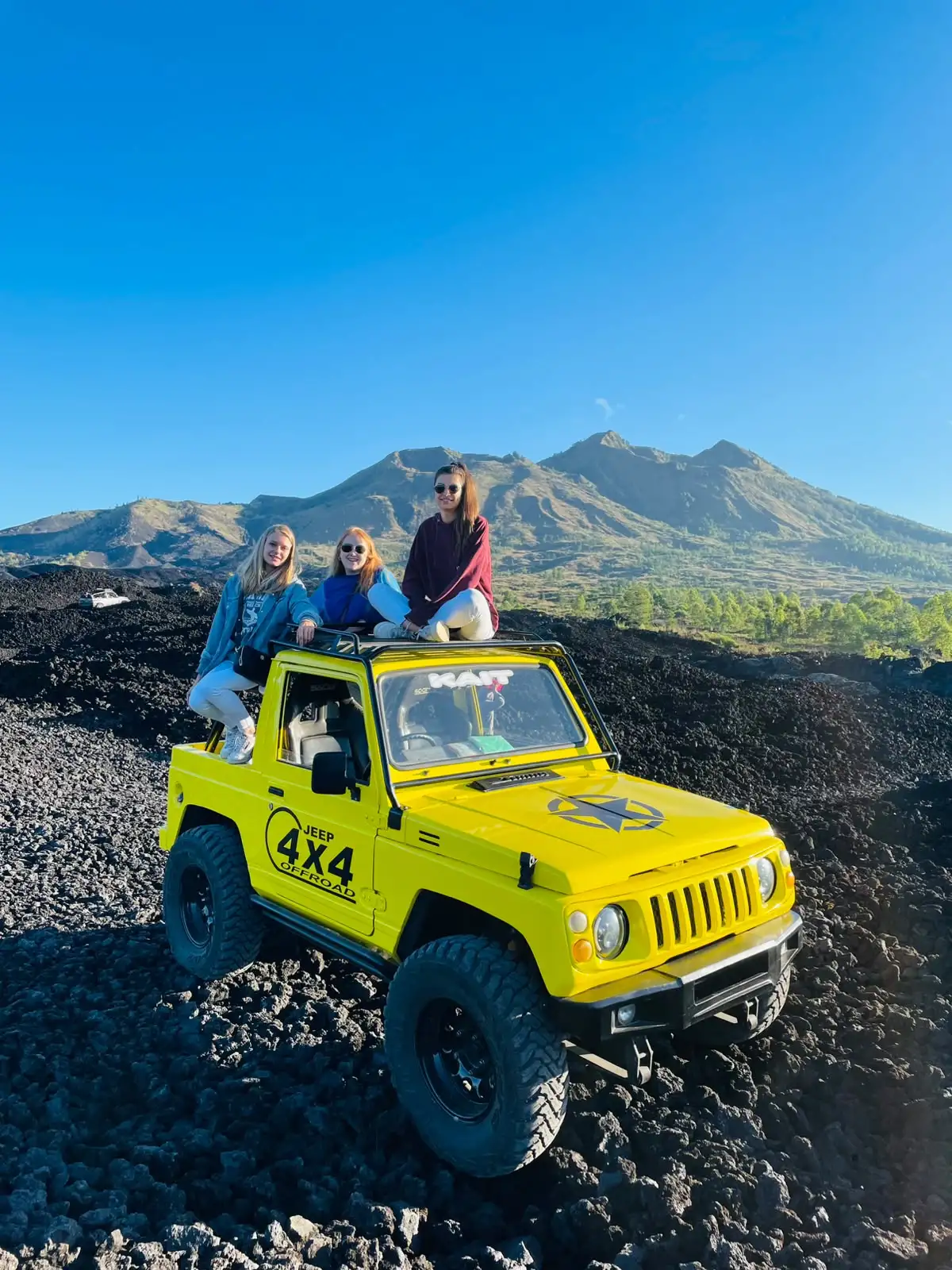
A Mount Batur sunrise jeep tour may be a better option when you want to experience the area without completing the uphill summit trek.
The jeep travels to a vehicle-accessible sunrise viewpoint and may continue toward Black Lava. It does not reach the Mount Batur summit.
A jeep tour may suit:
- Non-hikers
- Families
- Travelers with different fitness levels
- Guests who prefer a relaxed pace
- Couples focused on photography
- People who do not want a continuous uphill walk
A daytime jeep or trekking tour may also fit travelers who want to avoid the very early alarm.
Choosing a jeep does not mean choosing an inferior tour. It means selecting an experience that better matches your activity level and travel style.
So Is Mount Batur Hard for Beginners?
Mount Batur can be manageable for beginners with reasonable fitness, suitable footwear, preparation, and a steady pace.
At the same time, it is not an effortless walk.
The continuous incline, dark trail, uneven volcanic ground, early departure, weather, and descent all affect the Mount Batur trekking difficulty.
Choose the trek when you want the physical experience and feel comfortable with sustained uphill walking.
Choose a jeep or daytime option when you want to explore Mount Batur at an easier pace.
Send us your travel date, number of guests, hotel area, and preferred experience. Our local team will help you compare trekking, jeep, sunrise, and daytime options and confirm the current package details before booking.