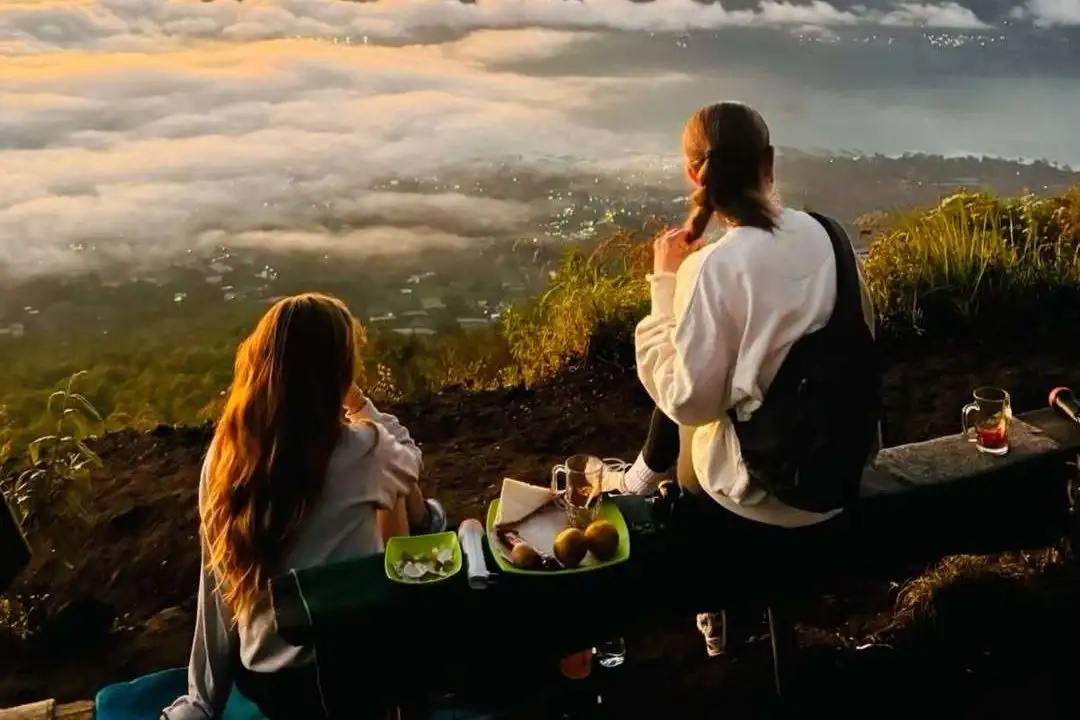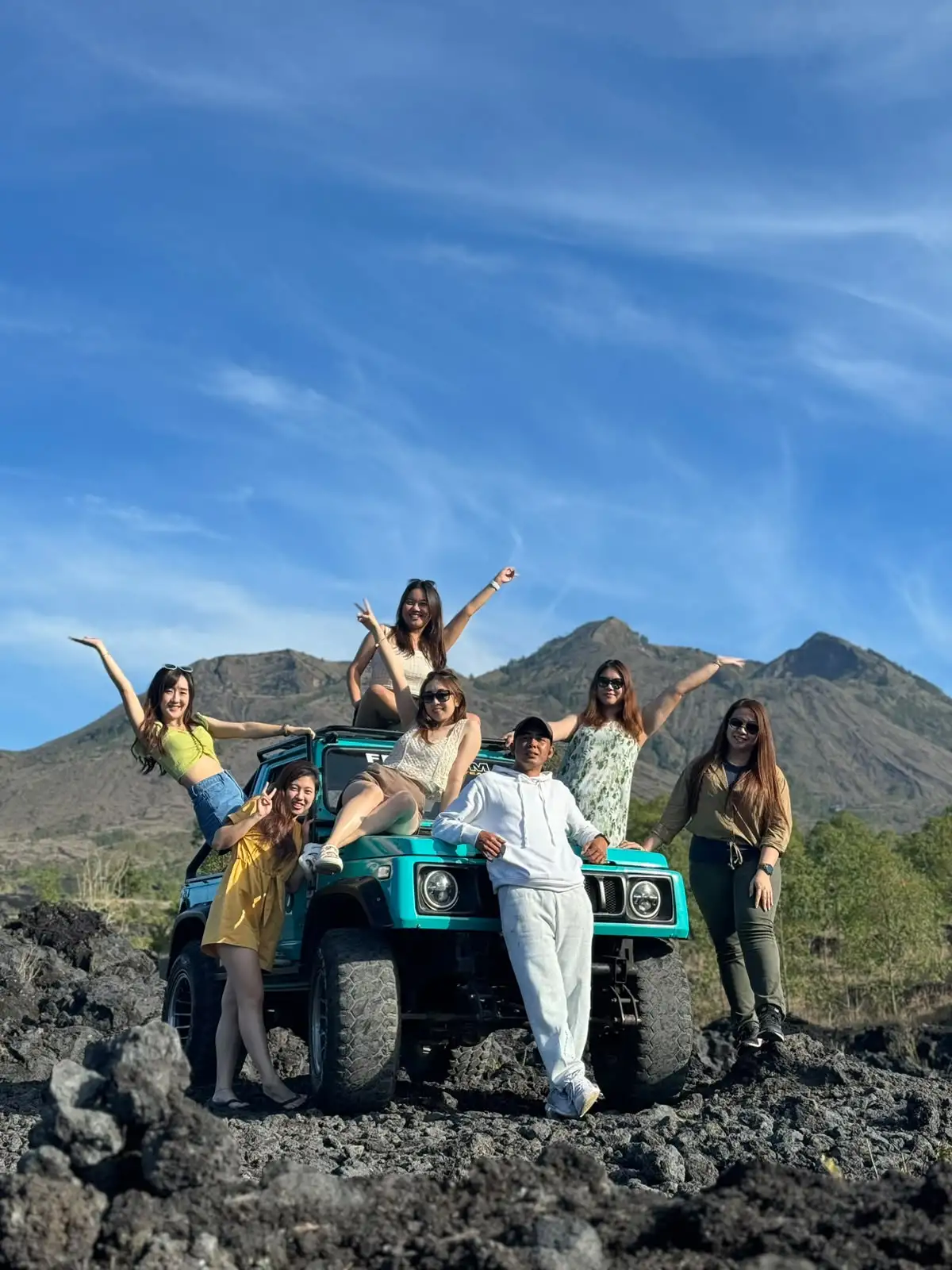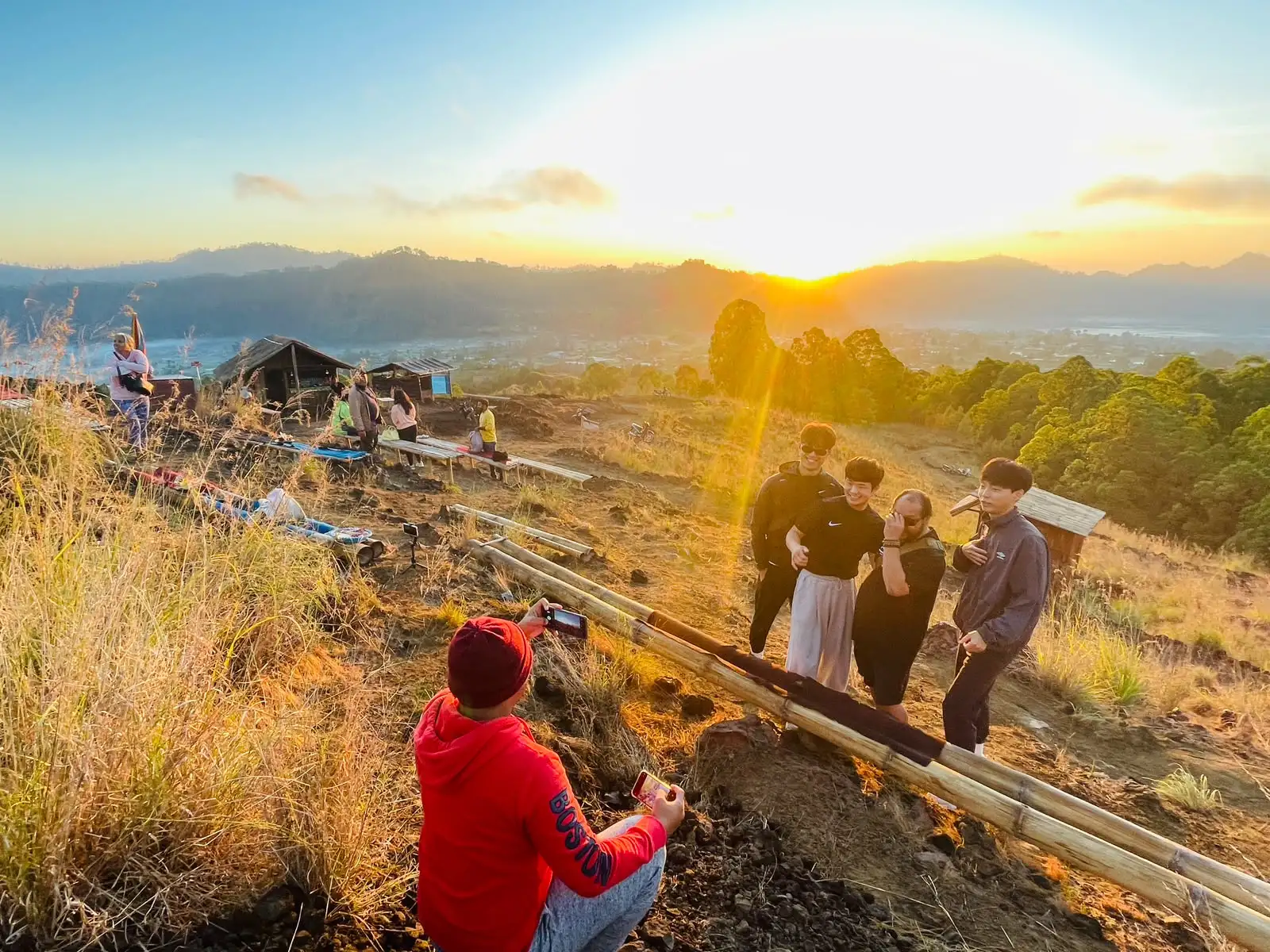
What Local Guides Notice in Your First 5 Minutes

What Local Guides Notice in Your First 5 Minutes
Mount Batur Trekking
13 September 2026
29 Views
Blog & Article

Before the first step of a Mount Batur trek, a local guide can already learn quite a lot about how the morning may go.

Not because they are judging guests.

It is simply because small details are useful.

The shoes someone arrives in. Whether they are wearing enough layers. How much they are carrying. How quickly they start walking. Whether they ask questions or stay quiet. Even how much energy they have at the beginning can help a guide understand how to manage the group.

A Mount Batur local guide is there to lead the experience, explain the route, support the group, and provide practical guidance. The guide cannot predict exactly how every guest will feel or guarantee that everyone will have the same experience.

But those first few minutes can help establish a comfortable pace and clear communication.

Here are seven things a Mount Batur trekking guide may notice almost immediately.

1. “Those Shoes Are Going to Matter”

One of the first things a guide is likely to notice is footwear.

Mount Batur is not a flat walking route. The trek involves uphill sections over volcanic terrain, with surfaces that can be uneven, loose, dusty, rocky, or slippery depending on current conditions.

A guest arriving in supportive trekking shoes or sports shoes with good grip is already better prepared for the type of terrain ahead.

A guest arriving in smooth sandals?

That gets noticed too.

The guide may not say anything dramatic. They may simply remind the guest to be careful and pay attention to their footing.

Suitable footwear helps with:

  • Grip
  • Balance
  • Comfort
  • Uphill movement
  • Downhill control

Your shoes do not need to be expensive hiking boots. Comfortable shoes that you have already worn and trust can be more useful than a brand-new pair of specialist shoes.

The guide's observation is not about fashion.

It is about understanding what the guest is bringing onto the trail.

2. The Jacket Tells a Story Too

The next thing a guide may notice is clothing.

Mount Batur can feel cool before sunrise, particularly when guests are standing still or waiting near the upper area. The temperature can feel very different from Bali's warmer coastal areas.

At the same time, guests can become warm quite quickly once the uphill walking begins.

That is why layers are practical.

A guest wearing:

  • A comfortable base layer
  • Lightweight outdoor clothing
  • A light jacket
  • Suitable trousers
  • Comfortable shoes

has more flexibility as conditions change.

The guide may notice whether a guest has a jacket available, but that does not mean they can predict exactly how cold that person will feel.

Weather, wind, cloud cover, personal comfort, and activity level all vary.

A simple Mount Batur tip is to bring a light jacket that can be removed and packed easily.

You may need it before the trek.

Then you may take it off halfway up.

Then you may want it back when you stop.

That is normal.

3. The Energy Level Becomes Obvious Once Walking Starts

A guide does not need a fitness test to understand that every guest moves differently.

Within the first section of the trek, the differences usually become visible.

One guest may walk steadily without stopping.

Another may prefer a slower pace.

Someone else may need a short break after the first uphill section.

None of these automatically means one guest is “fit” and another is “unfit.”

People have different trekking experience, sleep schedules, walking habits, and personal conditions.

The first few minutes simply help the guide understand the group's natural rhythm.

A good pace is one that the group can maintain comfortably.

Walking extremely fast at the beginning can leave a guest tired later. Walking too slowly may affect the group's timing.

The guide can provide practical pacing support, but guests should communicate honestly.

If you need a break, say so.

If the pace feels uncomfortable, tell the guide.

The goal is not to compete with another group on the trail.

4. A Huge Backpack Usually Means a Long Morning

Another thing guides notice quickly is luggage.

Some guests arrive with a small backpack containing exactly what they need.

Others arrive prepared for an expedition that appears to last several days.

A large backpack is not automatically a problem, but unnecessary weight can make an uphill trek less comfortable.

For a standard sunrise trek, most guests only need practical essentials such as:

  • Light jacket
  • Water
  • Small snack
  • Sunscreen
  • Sunglasses
  • Personal medication
  • Power bank
  • Phone or camera
  • Compact rain protection
  • Cash for personal expenses

The guide may notice a heavy bag because they know the guest will carry it throughout the trek.

This is why hiking preparation is not about bringing everything you own.

It is about deciding what you genuinely need.

A small, well-organized backpack is usually easier to manage than a large bag filled with things that never leave the hotel.

And if your tour includes another activity afterward, such as ATV or rafting, bring only the additional items that activity actually requires.

5. Communication Can Make the Morning Easier

A Mount Batur guide can provide route and practical support, but communication works both ways.

Within the first few minutes, a guide may notice whether guests are asking questions, listening to instructions, or quietly following the group.

There is no “correct” personality for trekking.

Some guests want to know everything before starting:

“How long will the first section take?”

“Where is the next rest point?”

“Will we have breakfast at the top?”

Others simply want to start walking.

Both are fine.

What matters is communicating important information.

Tell the guide if:

  • You need a short break
  • You are uncomfortable with the pace
  • You have difficulty seeing the trail
  • You need to adjust your clothing
  • You are unsure about the route
  • Something does not feel right

A guide can respond better when they know what the guest needs.

This is one reason the brand's positioning emphasizes local support from planning through the tour rather than simply selling a ticket. The brand aims to help travelers choose an experience that fits their schedule, group, interests, and activity level.

6. The Guide Quickly Learns What Pace the Group Prefers

The first section of the trail can reveal whether the group naturally wants to move quickly or slowly.

But there is an important distinction.

The guide is not trying to decide who is “good at hiking.”

They are trying to understand how the group should move together.

For example, a couple may have completely different walking speeds.

One person may naturally walk ahead.

The other may prefer a slower pace.

A family may need more frequent pauses.

A group of friends may start quickly because everyone is excited, then slow down once the incline becomes more noticeable.

The guide can use this early information to help keep the group together.

Guests should also avoid comparing themselves with other trekkers.

Someone who regularly hikes may move faster than a first-time visitor. Someone who slept poorly may need more breaks. Someone who is simply taking the experience slowly may prefer not to rush.

There is no prize for reaching the upper area first.

A comfortable pace is more useful than an impressive first fifteen minutes.

7. Your Expectations Matter as Much as Your Backpack

Perhaps the most important thing a guide notices is not actually something physical.

It is what the guest expects from the experience.

One traveler may have booked Mount Batur because they want a serious physical challenge.

Another may simply want to experience sunrise.

Another may care most about photography.

Another may be visiting Bali for the first time and have no idea what the trail will feel like.

These guests may all choose the same Mount Batur tour but expect completely different experiences.

A local guide can explain practical details and help the group understand the route, but they cannot control the mountain.

Weather may change.

Visibility may be limited.

The trail may feel different depending on current conditions.

The pace may be slower than expected.

That is why realistic expectations are an important part of Mount Batur tour experience planning.

The brand's copywriting guide specifically requires weather and sunrise visibility to be presented as variable rather than guaranteed, while activity suitability must remain dependent on each guest's personal condition.

A good guide can help you navigate the experience.

They cannot guarantee the exact sunrise you saw in a photograph.

What Guides Are Not Trying to Do

It is easy to imagine that a local guide is constantly evaluating every guest.

In reality, the useful observations are practical.

Are the shoes suitable?

Does the guest have a jacket?

Is the backpack manageable?

Is the pace comfortable?

Does the group understand the instructions?

Does anyone need to communicate something before continuing?

These observations help the guide do their job.

They are not a medical assessment.

A guide cannot determine whether someone is medically fit to trek simply by looking at them. Personal condition, health history, injuries, mobility, and other individual factors can affect suitability.

Guests remain responsible for considering their own condition before booking and should seek appropriate professional advice when necessary.

Likewise, guide support should not be interpreted as a guarantee of safety or of reaching the summit.

Weather, trail conditions, and individual circumstances can change.

The First Five Minutes Are Really About Preparation

The first few minutes of a Mount Batur trek are not a test.

They are simply the beginning of the experience.

A guest with comfortable shoes, suitable clothing, a manageable backpack, enough water, and realistic expectations has already done a lot of the preparation.

Clear communication then helps the guide understand what the group needs.

This is the practical value of having a Bali trekking guide who knows the experience and can provide local support.

The brand's core positioning is not simply about calling itself a “local expert.” Its stronger differentiation is helping different travelers choose between trekking, jeep, sunrise, daytime, and combination experiences based on their schedule, group, and activity level.

Before Your Trek, Tell the Guide What They Need to Know

A few simple details can make communication easier.

Before starting, make sure the guide knows:

  • Your group size
  • Whether anyone is new to trekking
  • Your preferred pace
  • Whether anyone needs more frequent breaks
  • Any relevant personal concern you need to communicate
  • Whether you have another activity afterward
  • Your planned return arrangement

You should also confirm your pickup or meeting point before the tour.

The brand assessment identifies pickup clarity as an important customer concern because travelers may be unsure whether transport is included, optional, or arranged through a meeting point.

The more clearly these details are confirmed before the tour, the less time you need to spend solving logistics at 3:00 AM.

Choose the Experience That Fits You

Not every traveler needs the same Mount Batur experience.

If you want the physical challenge and summit experience, sunrise trekking may be the right choice.

If you prefer less walking, a 4WD sunrise jeep can provide a different way to explore the area.

If you dislike waking up before sunrise, daytime trekking or a daytime jeep tour may make more sense.

And if you want to combine Mount Batur with another Bali activity, combination packages can help build a longer itinerary around your interests.

That flexibility is central to the brand's Explore Mount Batur Your Way direction.

So, when your Mount Batur local guide looks at your shoes, jacket, backpack, and walking pace during those first few minutes, they are not judging you.

They are simply learning how to help your group experience the mountain at a pace and style that makes sense for you.

Send us your travel date, number of guests, hotel area, and preferred experience. Our local team can help you choose between trekking, jeep, sunrise, daytime, and combination options and confirm the current details before booking.