6 Weather Tips That Can Save Your Mount Batur Morning
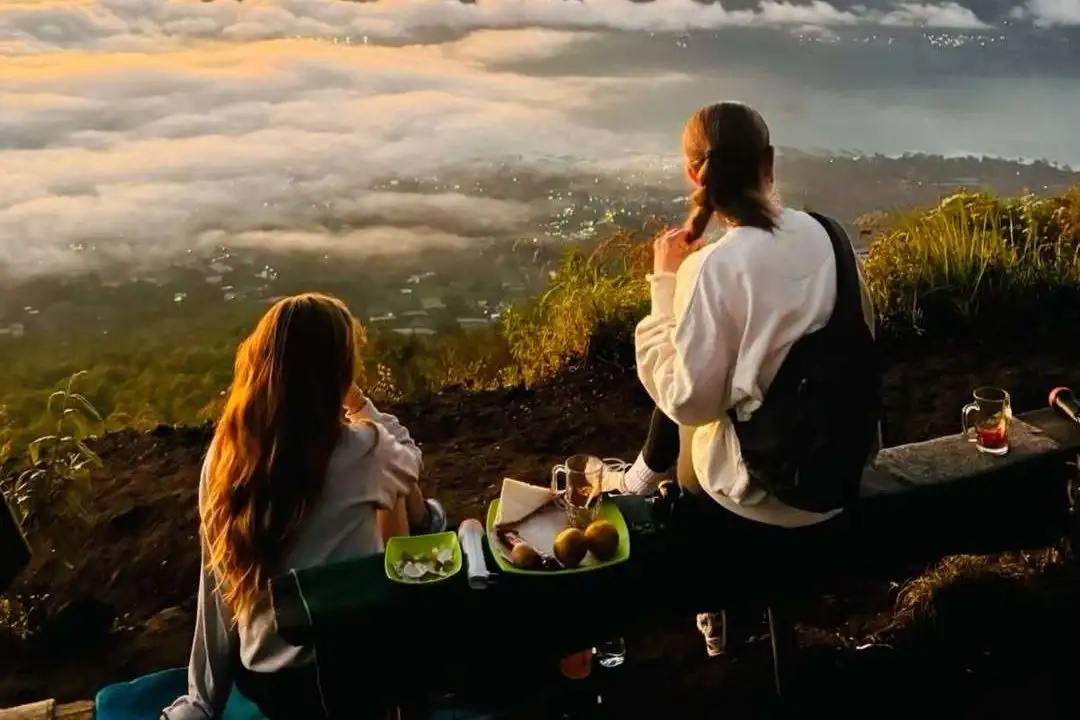
Mount Batur is famous for its sunrise experience, but there is one thing no traveler can control: the weather.
You can prepare your shoes, charge your phone, pack your jacket, and set your alarm. You can leave your hotel in the middle of the night exactly as planned.
But once you reach the mountain, the sky has its own schedule.
That is why understanding Mount Batur weather is less about finding a perfect forecast and more about knowing how to prepare for changing conditions.
Clouds can affect visibility. Rain can change the trail. Temperatures can feel different before and during the trek. And a weather forecast can never tell you exactly what the mountain will look like at the moment you reach the sunrise viewpoint.
If you are planning a Mount Batur sunrise tour, these six practical tips can help you prepare without expecting the weather to behave perfectly.
1. Use the Forecast as a Guide, Not a Guarantee
Checking the forecast before your trip is useful.
But it should not become your only decision-making tool.
Mountain weather can be different from the conditions you experience at your hotel. A forecast may indicate rain, clouds, or clearer conditions, but actual conditions around Mount Batur can still change.
This is especially important when planning around sunrise.
You may see a forecast that looks perfect and still encounter clouds around the viewpoint.
Or you may see a cloudy forecast and experience periods of better visibility.
That is why Mount Batur sunrise conditions should always be treated as changeable.
A forecast can help you prepare.
It cannot promise:
- A clear sunrise
- A specific view
- No rain
- No clouds
- A particular temperature
- Perfect photography conditions
The brand's weather guidance specifically requires sunrise and visibility to be presented as weather-dependent rather than guaranteed.
So check the forecast before your trip, but leave room for reality.
What Should You Check?
Look at:
- Rain probability
- General temperature
- Wind
- Cloud conditions
- Forecast changes close to your travel date
Then use that information to decide what to bring.
Not to decide exactly what the mountain will look like.
2. Wear Layers Instead of One Heavy Outfit
One of the easiest ways to prepare for changing Mount Batur temperature is wearing layers.
Why?
Because you can feel different temperatures at different stages of the experience.
Before the trek, you may feel cold because it is still dark.
During the uphill section, walking can make you feel warmer.
At a rest stop, you may cool down again.
Near the upper area, wind or waiting time can make a light jacket useful.
A practical outfit can include:
- Comfortable outdoor shirt
- Long pants or trekking clothes
- Light jacket
- Socks
- Suitable walking shoes
The goal is flexibility.
A heavy jacket that becomes uncomfortable halfway through the trek is less practical than a light layer you can remove and put into your backpack.
You also do not need to dress for a winter expedition.
You are preparing for a tropical mountain environment that can feel cool before sunrise.
Keep the Jacket Accessible
Do not bury your jacket at the bottom of your backpack.
You may need it before you start walking.
Then you may want to remove it later.
Make it easy to reach.
The same applies to other essentials you may need during the trek.
Good hiking preparation is often less about carrying more and more about organizing what you carry.
3. Bring Rain Protection Even When the Sky Looks Fine
This is one of those things that is much easier to carry than to wish you had brought.
If the forecast looks clear, it can be tempting to leave rain protection at the hotel.
But mountain conditions can change.
A compact rain jacket or suitable rain protection takes up relatively little space and can become useful if conditions change.
You do not necessarily need a large collection of waterproof equipment.
For a typical sunrise experience, practical preparation can include:
- Compact rain jacket
- Waterproof pouch
- Small dry bag
- Backpack cover
- Quick-drying outer layer
This is particularly useful if you are carrying a phone or camera.
Rain is not only about keeping yourself dry.
It is also about protecting your belongings.
Protect Your Camera
If you are bringing photography equipment, think about moisture before you leave.
A waterproof pouch or dry bag can provide an extra layer of protection.
Keep important items such as:
- Phone
- Camera
- Power bank
- Wallet
- Booking details
protected from unexpected rain.
You do not need to overpack.
One compact layer of protection can be enough to make you feel much more prepared.
4. Understand That Rain Can Change the Trail
Weather does not only affect the view.
It can affect the route itself.
Rain can make volcanic terrain wetter, muddier, or more slippery. Conditions underfoot can change, which means you may need to adjust your pace and pay more attention while walking.
This is why Mount Batur trekking weather matters even when you are not particularly interested in sunrise photography.
The trail is an active part of the experience.
If conditions change, your experience may change with them.
You may need:
- More careful footing
- A slower pace
- Additional rest
- More attention to the guide's instructions
- Different clothing adjustments
Your footwear becomes especially important.
Choose shoes that are comfortable and provide suitable grip rather than choosing them purely for appearance.
And do not assume that yesterday's trail conditions will be exactly the same tomorrow.
Outdoor environments change.
Listen to Your Guide
If the guide asks you to slow down, stay on a particular section, wait, or adjust your route, follow the instruction.
The guide has practical knowledge of the current trekking situation, but their role is not to guarantee your personal safety or physical suitability.
Guests also need to communicate.
If the trail feels uncomfortable or you need a break, tell the guide.
5. Do Not Plan Your Morning Around One Exact Sunrise View
This is perhaps the most important mindset for a Mount Batur sunrise tour.
Many travelers arrive with one mental picture:
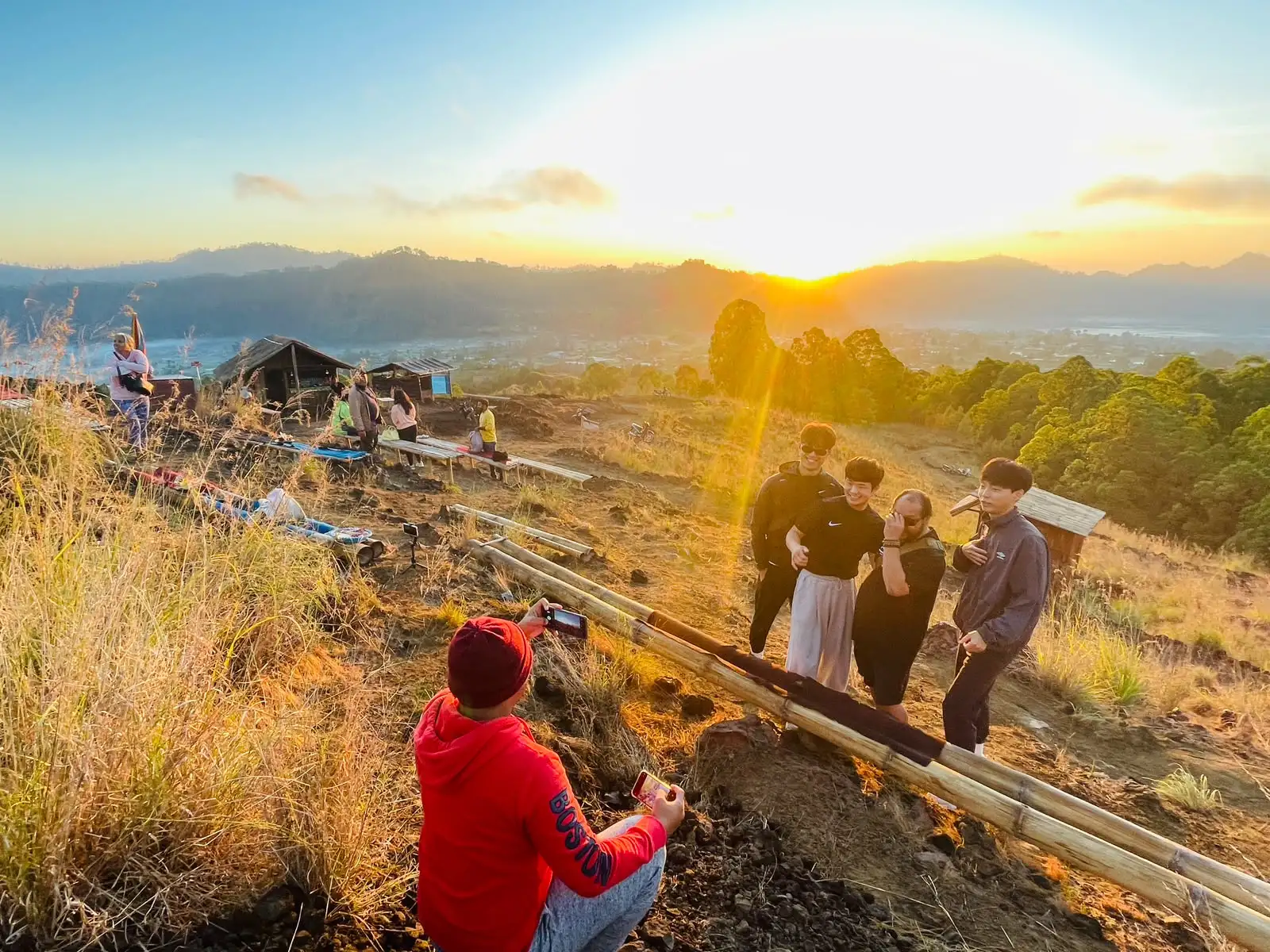
A clear horizon.
Orange sunlight.
Perfect mountain layers.
A dramatic silhouette.
No clouds.
Beautiful photographs.
It can happen.
But it cannot be promised.
Sunrise visibility depends on natural conditions.
Clouds can cover part of the horizon.
Fog can affect visibility.
Rain can change the atmosphere.
The sky can clear gradually.
The entire landscape can look different from what you expected.
The brand's strategy specifically states that sunrise visibility and weather are variable and that the experience should not promise a specific sunrise outcome.
That is not a reason to avoid the experience.
It is simply a reason to book it with realistic expectations.
Look Beyond the Sunrise
Even when visibility is limited, there are still things to experience.
You can enjoy:
- The early-morning atmosphere
- The trekking trail
- Volcanic terrain
- The changing sky
- The summit area
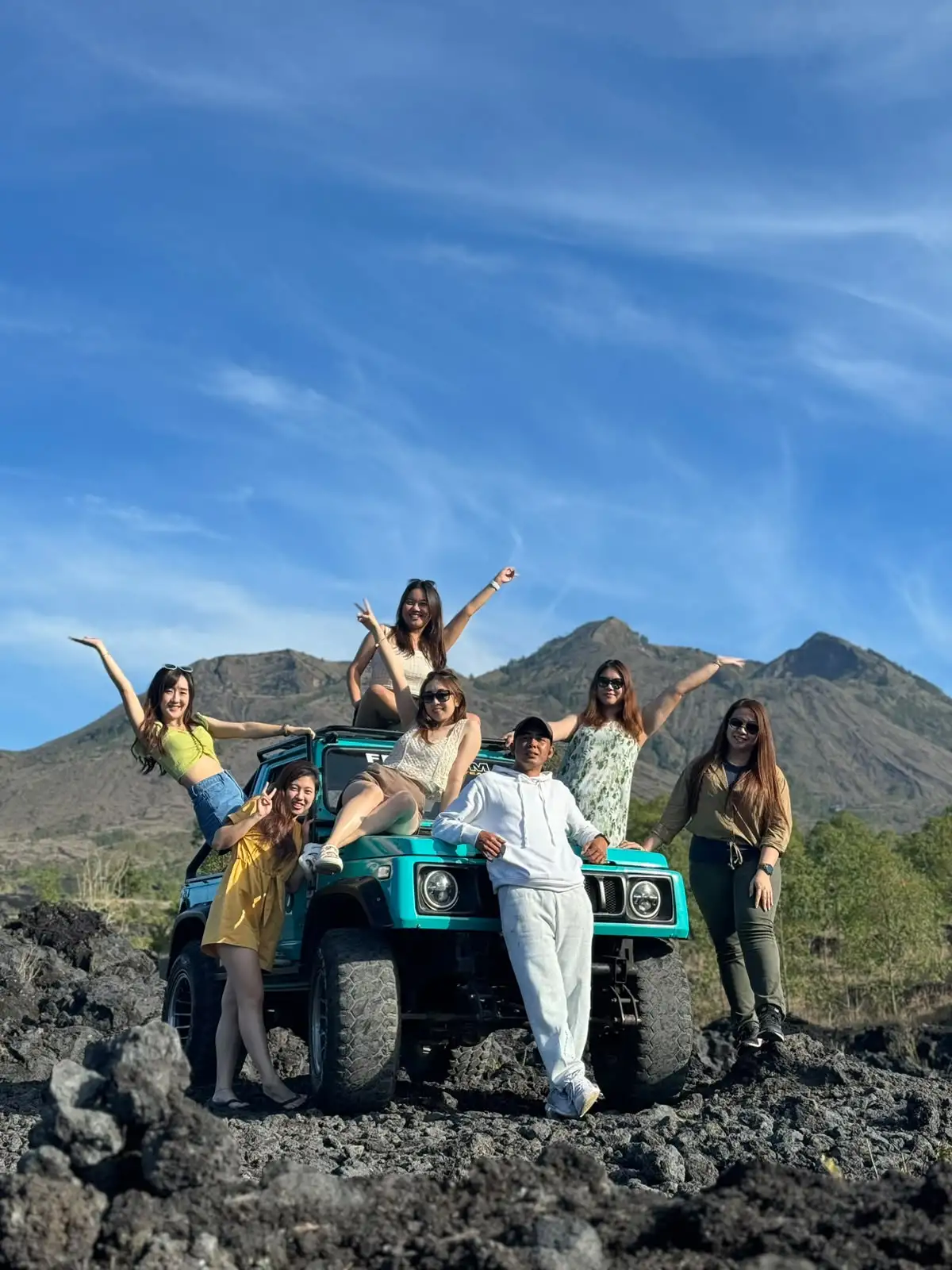
- Black Lava on selected jeep routes
- The journey with your group
A mountain experience is bigger than one photograph.
Sometimes the most memorable part is simply being there before sunrise.
6. Stay Flexible With Your Expectations and Schedule
The final weather tip is not something you pack.
It is something you bring mentally.
Flexibility.
Outdoor activities do not operate like indoor attractions.
Conditions can influence:
- Trekking pace
- Visibility
- Photo opportunities
- Route conditions
- Timing
- Rest stops
- Activity sequence
That does not mean every rainy morning becomes a cancelled tour.
It means you should understand that actual conditions may influence how the experience runs.
The brand's master guidance specifically requires itineraries to be described as approximate because weather, traffic, trail conditions, and other operational factors can change the actual timing.
So if your itinerary says you should return around a particular time, leave some buffer before booking another activity.
Do not schedule an airport transfer immediately after the estimated end of an outdoor tour.
Do not book an expensive restaurant reservation five minutes after your expected arrival.
And do not build your entire Bali itinerary around the assumption that every weather-dependent activity will run exactly to the minute.
Give yourself breathing room.
What About Rainy Season in Bali?
Travelers often search for rainy season Bali information before booking Mount Batur.
Rainy periods can mean a greater possibility of wet conditions, but the weather is not identical every day.
You should not interpret “rainy season” as:
It will definitely rain during my trek.
Likewise, a drier period does not mean:
The sky will definitely be clear.
The useful approach is to prepare for the possibility of changing conditions.
Check the latest forecast.
Pack appropriate protection.
Wear suitable footwear.
Confirm the latest operational information with your tour provider.
Then remain flexible.
That is much more practical than trying to predict the exact sunrise weeks in advance.
What Should You Pack for Changing Weather?
You do not need a giant hiking bag.
A small, organized backpack is enough for most travelers.
Consider bringing:
Clothing
- Comfortable trekking clothes
- Light jacket
- Extra layer if needed
- Spare clothes if your package includes a wet activity
Weather Protection
- Compact rain jacket
- Backpack cover
- Waterproof pouch or dry bag
Basic Essentials
- Water
- Small snack
- Sunscreen
- Sunglasses
- Personal medication
- Phone
- Power bank
Photography
- Camera
- Spare battery if available
- Lens cloth
- Waterproof protection
Keep everything organized.
You may need some of these items quickly, especially your jacket or rain protection.
Weather Preparation for Trekking vs Jeep
Weather preparation can also depend on your chosen Mount Batur experience.
Sunrise Trekking
You should be prepared for:
- Cooler early-morning conditions
- Darkness before sunrise
- Possible wet trail
- Uphill walking
- Changing visibility
- Weather changes during the trek
Comfortable footwear and layered clothing are particularly important.
Sunrise Jeep
You still need to prepare for cool early-morning conditions and possible rain.
The jeep can reduce the amount of sustained uphill walking, but it does not remove exposure to outdoor weather.
You may still get out of the vehicle at the sunrise viewpoint or Black Lava.
Day Jeep
A daytime jeep experience changes the temperature and lighting conditions but does not eliminate weather uncertainty.
You may experience more direct sun and warmer conditions compared with the early morning.
The exact experience depends on the selected package and current route.
Ask Your Guide Instead of Guessing
If you are already at Mount Batur and the weather changes, communication becomes more useful than speculation.
Ask your guide:
- How are the current trail conditions?
- Is the route affected by rain?
- Should we adjust our pace?
- Is there anything we need to prepare?
- Has the itinerary changed?
- Where should we wait?
- What happens next?
The guide can provide practical information based on the current situation.
But remember that a guide cannot control weather or guarantee a particular outcome.
Their role is to provide local support and help guests navigate the experience.
Weather Should Change Your Preparation, Not Automatically Your Excitement
The best way to think about Mount Batur weather is simple.
Prepare for the conditions you might encounter without assuming exactly what those conditions will be.
Check the forecast.
Wear layers.
Bring rain protection.
Choose suitable footwear.
Protect your camera and phone.
Listen to your guide.
Leave some flexibility in your schedule.
And most importantly, accept that sunrise visibility is part of nature.
A clear morning can create incredible views.
A cloudy morning can create a completely different atmosphere.
A wet trail can require more patience.
The mountain does not have to match a promotional photograph for the experience to be worthwhile.
A Six-Point Weather Checklist
Before leaving your hotel, ask yourself:
1. Did I check the latest forecast?
Not just the forecast from several days ago.
2. Am I wearing layers?
So I can adjust as my body warms up.
3. Do I have rain protection?
Even if the sky currently looks clear.
4. Are my shoes suitable?
Especially if the trail may be wet or slippery.
5. Is my phone or camera protected?
Use a waterproof pouch or dry bag if needed.
6. Am I flexible about visibility?
Because no forecast can guarantee the exact sunrise view.
If you can answer yes to all six, you have covered the most important weather-related basics.
The Mountain Decides the Morning
Planning a Mount Batur sunrise experience means planning around something you cannot control.
The weather.
You can control your preparation.
You can choose appropriate clothing.
You can bring rain protection.
You can wear suitable shoes.
You can charge your phone.
You can listen to your guide.
But you cannot decide whether clouds will appear five minutes before sunrise.
And that is exactly why realistic expectations matter.
Mount Batur offers different ways to experience the destination, including sunrise trekking, sunrise jeep, daytime jeep, and combination experiences. The right choice depends on your physical ability, schedule, group, and preferred style of exploring.
So prepare well, but leave room for the unexpected.
Check the forecast. Pack smart. Listen to your guide. Keep your schedule flexible.
Then enjoy whatever kind of morning Mount Batur gives you.
Before booking, send us your travel date, number of guests, hotel area, and preferred experience. Our local team can help you confirm the current itinerary, pickup arrangement, package details, and practical preparation information before your Mount Batur adventure.